
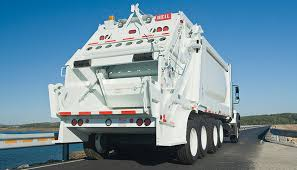
Scales For Weighing Trucks Improving Load Accuracy and Transport Efficiency
In the transport and logistics industry, every pound and every minute counts. Overloading or underloading trucks can lead to significant financial penalties, safety hazards, and operational inefficiencies. This is where truck scales, or weighbridges, become essential. By providing precise weight measurements, scales for weighing trucks systems help companies optimize their loads, ensure compliance, and boost overall transport efficiency. Let’s explore the key benefits that modern truck scales bring to the transportation sector.
How do truck scales improve load accuracy?
Precise load accuracy is the primary advantage of using dedicated truck scales. When a truck is loaded without accurate measurement, it’s easy to misjudge the total weight. This can result in either underloading, which means you aren’t maximizing the truck’s capacity, or overloading, which carries severe risks.
Truck scales provide exact data on the gross vehicle weight, allowing operators to load vehicles to their optimal legal limit. This eliminates guesswork and ensures that every shipment is as profitable as it can be. With accurate readings, companies can confidently fill their trucks to capacity without the fear of exceeding legal weight restrictions, translating directly to better resource utilization and improved revenue per trip.
What are the financial benefits of using truck scales?
The financial incentives for using truck scales are substantial. Overloaded trucks are subject to hefty fines from transportation authorities. These penalties can range from hundreds to thousands of dollars per violation, quickly adding up and impacting a company’s bottom line. By ensuring every truck is compliant before it hits the road, businesses can avoid these unnecessary costs.
Furthermore, proper weight distribution prevents premature wear and tear on vehicles. Overloading puts immense strain on tires, brakes, suspension, and the engine, leading to more frequent repairs and a shorter vehicle lifespan. By maintaining legal weight limits, companies can extend the life of their fleet and reduce maintenance expenses, leading to significant long-term savings.
How do truck scales enhance transport efficiency?
Efficiency in transport is about more than just speed; it’s about optimizing every aspect of the journey. Truck scales contribute to this by streamlining operations and maximizing payload. When loads are consistently optimized, fewer trips are needed to transport the same amount of goods. This reduction in the number of journeys saves fuel, reduces labor costs, and lowers the overall environmental impact.
Moreover, having an on-site truck scale can speed up the dispatch process. Instead of traveling to a public weigh station, drivers can get an accurate reading immediately after loading. This saves valuable time, allowing for quicker turnarounds and more deliveries in a day. Integrated software systems can also automate data collection, providing real-time information for billing and inventory management, further boosting operational efficiency.
How do accurate truck weights improve safety?
Safety is a paramount concern in the transportation industry. Overloaded trucks are a major safety hazard on the road. They require longer braking distances, are more difficult to control, and are at a higher risk of tire blowouts and rollovers. These factors increase the likelihood of accidents, endangering the driver and the public.
By using truck scales to ensure loads are within legal and safe limits, companies demonstrate a commitment to safety. This not only protects their drivers and assets but also enhances their reputation as a responsible operator. A strong safety record can lead to lower insurance premiums and build trust with clients, creating a positive feedback loop that benefits the entire business.
Making Every Load Count
Investing in truck scales is a strategic move for any business involved in transportation and logistics. The benefits extend far beyond simple compliance. From avoiding costly fines and reducing vehicle maintenance to maximizing payload and improving road safety, these systems provide a powerful return on investment. By ensuring every load is accurate and efficient, companies can strengthen their operations, improve profitability, and pave the way for sustainable growth.