
Forex Trading on Android: What Every Beginner Should Know
Currency trading has a reputation for complexity—and in many ways, that reputation is earned. The foreign exchange market is the most liquid financial market on the planet, operating across multiple time zones with no central exchange. For someone new to trading, that scale can feel paralyzing.
What’s Covered
- Why Is Android Such a Common Starting Point for Forex Beginners?
- Key Questions Beginners Ask About Android Forex Apps
- What Platform Features Support Long-Term Beginner Development?
- Early-stage essentials:
- Features that matter as skills develop:
- The Habit Advantage: How Beginners Build Lasting Skills
- Moving Forward With Clarity
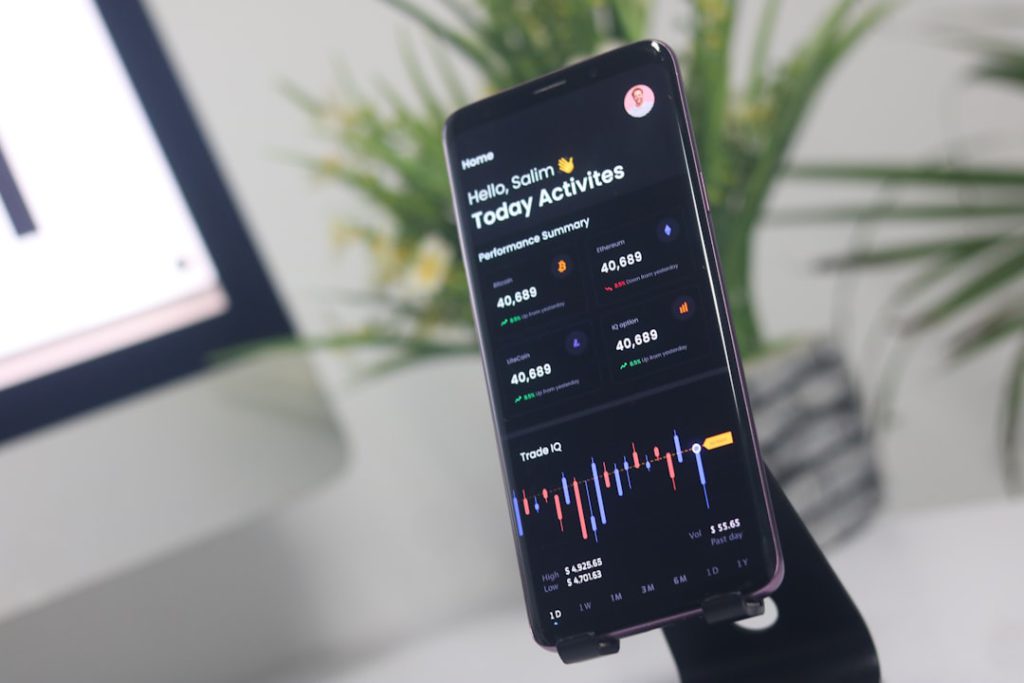
But the tools available to beginners today look nothing like what was available even a decade ago. Mobile platforms have matured into sophisticated yet accessible environments, and the forex trading app android ecosystem in particular offers beginners a genuinely strong foundation for learning and early trading. This article explores the key questions beginners should be asking and the principles that separate effective platforms from frustrating ones.
Why Is Android Such a Common Starting Point for Forex Beginners?
Android’s market reach is one factor, but the more important one is developer investment. Because Android represents such a large share of global device usage, trading platforms allocate significant resources to their Android applications. The result is polished, frequently updated apps with feature sets that rival desktop platforms.
For beginners, this means access to professional-grade tools in an interface optimized for mobile use—and the ability to trade or learn from virtually anywhere.
Key Questions Beginners Ask About Android Forex Apps
What should a beginner’s first week on a forex app look like?
The first week should focus almost entirely on orientation rather than trading. Spend time exploring the platform’s interface, locating key features, reading available educational content, and understanding how the charting tools work. Open a demo account immediately—before making a single trade, even a practice one. The goal of the first week is familiarity, not performance.
How do demo accounts prepare beginners for live trading?
Demo accounts simulate real market conditions using virtual funds, which means the prices, spreads, and order execution a trader experiences in demo mode are representative of what they’ll encounter in a live account. This makes demo trading far more valuable than theoretical study alone. Beginners can test strategies, make mistakes, observe outcomes, and adjust—without any real financial consequences.
What charting features are most useful for beginners?
Clean line charts and basic candlestick charts are the best starting points. Once a beginner becomes comfortable reading price action, they can begin adding simple indicators—moving averages are commonly recommended as an early tool because they smooth price data and make trends more visible. Platforms that include brief explanations of each indicator within the charting interface are particularly well suited to self-directed learners.
How can beginners avoid common emotional trading mistakes?
Emotional trading—reacting to short-term market movements with fear or excitement rather than strategy—is one of the most common causes of early failure in forex. The best Android platforms address this with built-in risk management tools like stop-loss and take-profit orders, which help traders commit to decisions in advance rather than making them reactively. Journaling features, where available, also help traders identify patterns in their emotional responses over time.
What is the difference between a regulated and unregulated forex platform?
A regulated platform operates under the oversight of a recognized financial authority, which means it must meet specific standards around fund segregation, reporting, and client protection. An unregulated platform has no such accountability. For beginners, choosing a regulated platform is non-negotiable—it provides a meaningful layer of protection and recourse that simply doesn’t exist with unregulated alternatives.
How long should a beginner trade on a demo account before going live?
There’s no universal answer, but a reasonable benchmark is consistent profitability over a sustained period—not a single good week, but several months of disciplined, strategic trading that produces positive results more often than not. Rushing this phase is one of the most common mistakes new traders make. The demo environment exists precisely so that learning happens before real funds are at stake.
What Platform Features Support Long-Term Beginner Development?
Some features matter most in the first few weeks. Others become more valuable as a beginner’s skills develop. Understanding both categories helps new traders choose a platform they won’t outgrow quickly.
Early-stage essentials:
Demo account with no time restriction
Simple, navigable interface
In-app educational content
Responsive customer support
Features that matter as skills develop:
Advanced order types beyond basic market and limit orders
More sophisticated charting tools and indicators
Economic calendar integration for news-based trading
Community features like discussion forums or social feeds
Platforms that offer both categories give beginners room to grow without needing to migrate to a new app once their skills reach a certain level.
The Habit Advantage: How Beginners Build Lasting Skills
Technical analysis, fundamental analysis, risk management—these are the pillars of forex competence. But beneath all of them is something more foundational: habit.
Traders who develop structured daily routines—reviewing the economic calendar each morning, analyzing previous trades each evening, journaling after every session—build skills faster than those who trade sporadically and without reflection. The platform you choose should support these habits rather than work against them.
Look for apps that offer customizable dashboards, watchlists you can organize by your own criteria, and notification systems you can configure to alert you to relevant market events without creating constant distraction.
Moving Forward With Clarity
Starting in forex trading is genuinely manageable when approached with the right mindset and the right tools. The Android ecosystem offers beginner traders access to platforms that are well-designed, educationally rich, and technically capable—and the quality of these platforms continues to improve.
Focus on platforms that prioritize your learning as much as your trading. Treat the demo phase as a serious investment of time rather than a formality to skip. Build habits that support deliberate, reflective practice. And choose a regulated platform that gives you confidence in the safety of your funds and data.
The foreign exchange market is complex. But with the right foundation, beginners can develop real competence—one trade, one lesson, and one well-chosen platform at a time.
What You Need to Know
- The foreign exchange market is the most liquid financial market globally, operating without a central exchange across various time zones.
- Beginners are advised to spend their first week on a forex app familiarizing themselves with the platform and its features rather than trading.
- Demo accounts are crucial for beginners as they simulate real market conditions using virtual funds, allowing traders to practice without financial risks.
- Choosing a regulated forex platform is essential for beginners because it offers protection and accountability that unregulated options do not.
- Effective trading habits, including daily routines and reflective journaling, can accelerate skill development for new traders.


