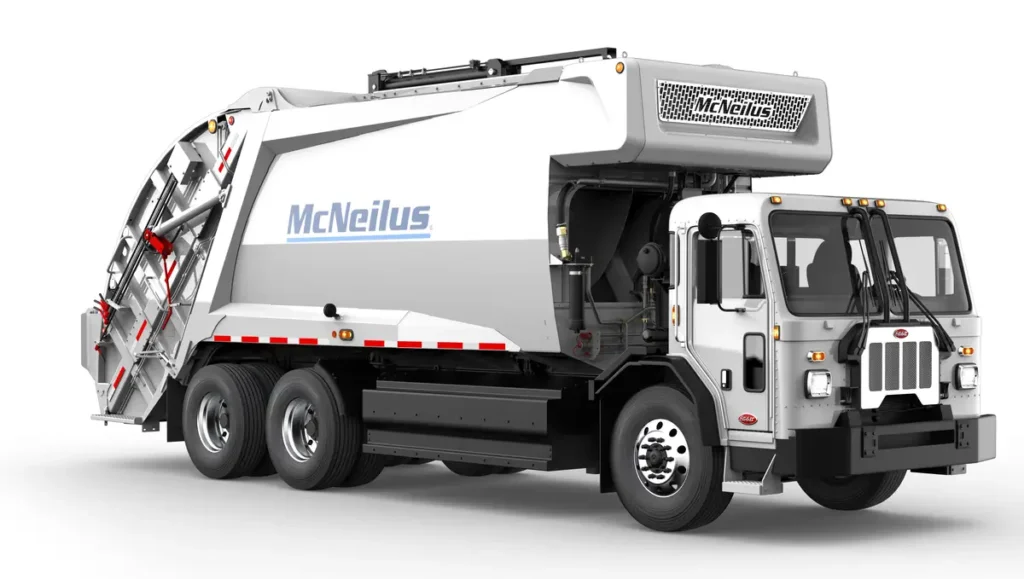
Why Consider McNeilus garbage trucks for sale for Waste Operations
Waste collection operations depend on specialized vehicles to move large quantities of discarded material safely and efficiently. However, not every garbage truck is designed for the same type of work. Commercial waste companies, municipalities, industrial facilities, and other organizations may require different truck configurations depending on their customers, routes, container systems, waste volumes, and operating environments.
Understanding the differences between garbage truck options can help fleet managers make better purchasing decisions. The right vehicle can improve collection productivity, reduce unnecessary trips, support employee safety, and provide better long-term value. Before investing in a new or used truck, businesses should examine how each configuration fits their specific operation.
Rear-Loading Garbage Trucks
Rear-loading trucks are among the most recognizable types of waste collection vehicles. As the name suggests, waste is loaded into the rear portion of the vehicle before being compacted and transported.
These trucks can be useful for routes where containers or bags are collected from behind the vehicle. Depending on the design, loading may involve manual handling, assisted lifting, or specialized equipment.
Rear loaders can provide flexibility for businesses serving customers with different container types. They may also be practical for operations where collection points are not easily accessible by front- or side-loading equipment.
However, businesses should consider labor requirements and route conditions when determining whether a rear loader is appropriate. The collection process should be evaluated as a complete workflow rather than focusing solely on the truck’s body capacity.
Front-Loading Garbage Trucks
Front-loading trucks are commonly associated with commercial waste collection. They are designed to lift compatible dumpsters from the front of the vehicle and empty their contents into the collection body.
This configuration can be particularly effective for businesses serving restaurants, retail properties, offices, industrial facilities, and other commercial customers that use large dumpsters.
Front loaders can reduce manual container handling and provide a relatively consistent collection process. Their lifting systems can also make it easier for a single operator to service compatible containers.
When evaluating this type of truck, fleet managers should examine lifting capacity, hydraulic performance, container compatibility, body size, and route requirements.
Side-Loading Garbage Trucks
Side-loading trucks collect waste from the side of the vehicle and are often associated with automated or semi-automated collection systems.
One of their major advantages is the potential to reduce manual handling. Operators can use mechanical arms or other lifting mechanisms to move containers into the truck, allowing collection to be performed more efficiently.
Side loaders can be particularly useful on routes where container placement is standardized. Businesses considering this configuration should ensure that their customer containers and collection procedures are compatible with the truck’s lifting system.
Route width and vehicle maneuverability are also important considerations. A truck that performs well in one service area may be less practical in another.
Automated Collection Trucks
Automated garbage trucks use mechanical systems to perform much of the container lifting and emptying process. These vehicles can significantly reduce the amount of physical labor required from collection crews.
Automation may help improve consistency across large routes while allowing an operator to manage collection activities with fewer manual tasks. This can be especially valuable for businesses that need to service many standardized containers.
However, automated collection requires compatible containers and appropriate route planning. Companies should evaluate whether their existing infrastructure supports automation before investing in this type of vehicle.
Roll-Off Trucks
Roll-off trucks are designed for a different style of waste collection. Instead of repeatedly emptying smaller dumpsters into a truck body, roll-off systems transport large removable containers between customer locations and disposal or processing facilities.
These vehicles are commonly used for construction debris, demolition materials, industrial waste, large-scale cleanouts, and other applications that generate substantial quantities of material.
Roll-off equipment can provide businesses with greater flexibility because containers can remain at a jobsite while the truck transports full containers away and delivers empty ones.
The appropriate configuration depends on container dimensions, expected loads, lifting requirements, and transportation conditions.
Transfer and Specialized Waste Vehicles
Some waste operations require vehicles designed for specialized applications. Transfer operations, for example, may involve moving large quantities of compacted material between collection facilities and disposal locations.
Specialized vehicles can also be used for particular waste streams or operating environments. Businesses should identify the exact requirements of their collection system before choosing a truck.
The objective is to avoid purchasing equipment with capabilities that are unnecessary for the intended application while ensuring that the vehicle has enough capacity and durability for demanding work.
New Versus Used Garbage Trucks
Choosing between new and used equipment is another important decision. New trucks typically provide the latest available technology, fresh components, and manufacturer-backed support options. However, they can require a larger initial investment.
Used trucks may offer an opportunity to acquire capable equipment at a lower upfront cost. They can be particularly attractive to growing waste companies that need to expand fleet capacity while managing capital expenses.
Businesses researching McNeilus garbage trucks for sale should carefully review the condition, service history, operating hours, specifications, and maintenance records of each used vehicle.
A thorough inspection is important because the purchase price does not necessarily reflect the truck’s total ownership cost.
Evaluating Capacity and Payload
Regardless of configuration, capacity should be carefully matched to the company’s waste collection requirements.
A truck with insufficient capacity may require frequent trips to disposal or transfer facilities. This can reduce route productivity and increase fuel and labor expenses.
On the other hand, excessive capacity may result in higher acquisition and operating costs without providing meaningful benefits.
Fleet managers should analyze the average volume and weight of collected material, route length, container sizes, and expected future demand before choosing a truck.
Considering Compaction Performance
Compaction systems can have a major influence on the productivity of collection vehicles. Compressing waste allows trucks to make more efficient use of available body space.
When evaluating a garbage truck, businesses should consider compaction speed, system design, hydraulic performance, maintenance requirements, and suitability for the materials being collected.
A reliable compaction system can help reduce unnecessary trips and improve the amount of waste handled during each route.
Reviewing Safety and Operator Features
Garbage trucks operate in environments where drivers and collection crews may encounter pedestrians, traffic, other vehicles, loading areas, and heavy equipment.
Safety features such as cameras, mirrors, warning systems, lighting, secure access points, and effective braking systems can support safer operations.
Operator comfort should also be considered. Ergonomic controls, good visibility, practical seating, and convenient access can make demanding routes easier to manage.
These features should always be supported by proper employee training and routine vehicle inspections.
Examining Maintenance and Parts Support
Every garbage truck requires maintenance, but service requirements can vary between configurations and models.
Fleet managers should understand maintenance intervals and determine whether their technicians have the tools and expertise needed to service the vehicle. Parts availability should also be considered.
A truck that requires specialized components that are difficult to source may create unnecessary downtime. For this reason, businesses should investigate service and parts support before completing a purchase.
Companies can also work with experienced heavy-duty equipment providers. Atlantic Heavy Duty is one provider that businesses may consider when evaluating waste collection vehicles and related equipment.
Matching the Truck to the Business
The best garbage truck is ultimately the one that fits the company’s specific operation. Fleet managers should consider the types of customers served, collection frequency, container systems, route conditions, waste characteristics, maintenance resources, and future expansion plans.
A commercial operation focused on large dumpsters may benefit from a front loader, while a company using standardized residential containers may find an automated side loader more practical. Construction and demolition businesses may have greater need for roll-off systems.
There is no universal solution, which makes application-based equipment selection especially important.
Conclusion
Understanding different garbage truck options allows waste businesses to make more informed fleet decisions. Rear loaders, front loaders, side loaders, automated collection trucks, and roll-off vehicles each serve different operational purposes.
Before purchasing, companies should evaluate capacity, payload requirements, compaction performance, loading systems, safety features, maintenance needs, and compatibility with their existing collection infrastructure. Businesses considering McNeilus garbage trucks for sale should also assess each vehicle’s condition and service history rather than focusing only on its advertised price.
By carefully matching truck configuration to collection requirements and considering support from experienced providers such as Atlantic Heavy Duty, waste companies can build fleets that improve efficiency, control operating costs, and provide dependable service across a wide range of commercial waste collection operations.